Learn
Ready to Transform Your Kitchen? Join Our Healthy Cooking Course
What is healthy meal planning?
Healthy meal planning is the foundation of nutritious eating. It involves selecting whole foods, balancing macronutrients, and preparing meals ahead of time to support your wellness goals. This approach helps you avoid processed foods, save money, and develop sustainable cooking habits. By planning your weekly meals, you create structure around nutrition and make mindful choices that benefit your health and energy levels throughout the day.
Why is cooking from scratch important?
Cooking from scratch gives you complete control over ingredients and nutritional content. Store-bought meals often contain hidden sugars, sodium, and preservatives that can undermine your health goals. When you cook at home, you know exactly what goes into your food, can adjust seasonings to your taste, and save significant money. Home cooking also builds confidence in the kitchen, develops practical life skills, and allows you to create meals tailored to your dietary preferences and restrictions.
What are the essential tools every home chef should have?
A well-equipped kitchen makes healthy cooking enjoyable and efficient. Essential tools include sharp knives, cutting boards, measuring cups and spoons, mixing bowls, quality cookware, and a food processor. Having proper equipment reduces prep time, improves food safety, and makes cooking techniques easier to master. You don't need expensive gadgets—focus on quality basics that last. Investing in these fundamentals sets you up for success and transforms cooking from a chore into an engaging, rewarding activity.
How can you add more vegetables to your diet?
Increasing vegetable intake is one of the most impactful dietary changes you can make. Start by filling half your plate with colorful vegetables at lunch and dinner. Experiment with roasting, stir-frying, and steaming different varieties to discover your favorites. Add vegetables to smoothies, soups, and grain bowls for extra nutrition. Keep pre-cut vegetables on hand for snacking. Try one new vegetable monthly to expand your palate. When you make vegetables delicious and convenient, eating more becomes natural rather than forced.
What are the benefits of whole grain cooking?
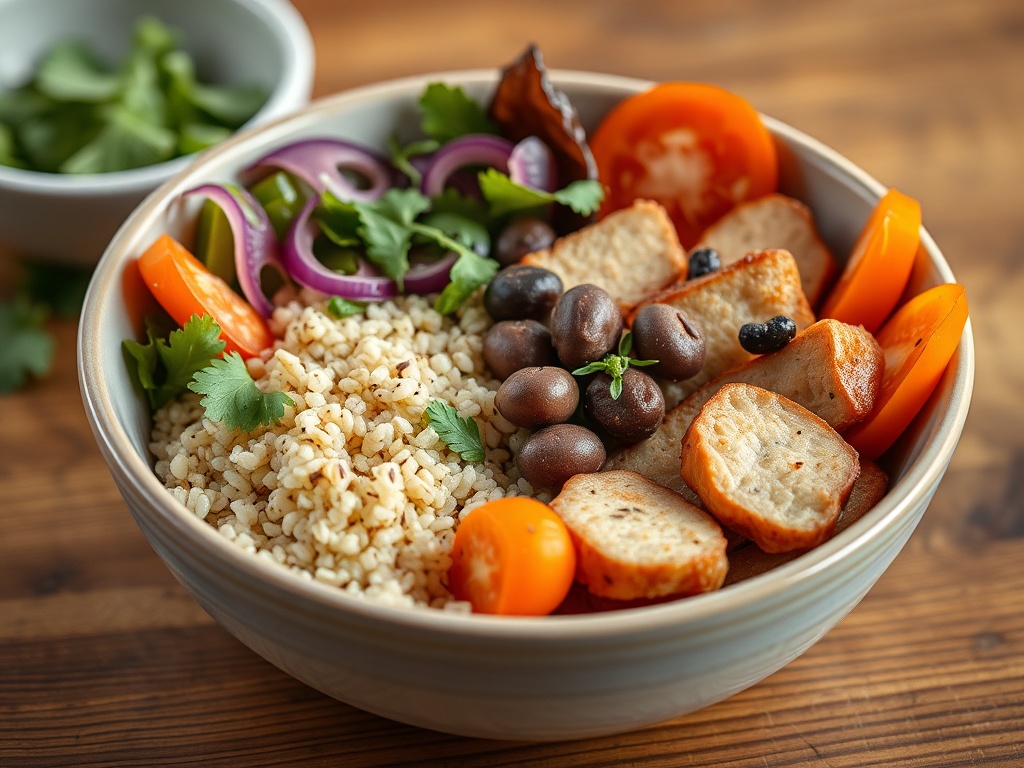
Whole grains provide sustained energy, essential fiber, and important minerals refined grains lack. They support digestive health, help maintain steady blood sugar levels, and promote heart health. Cooking with quinoa, brown rice, oats, and whole wheat pasta increases your nutrient intake significantly. Whole grains keep you fuller longer, reducing overeating and cravings. Learning to cook grains properly—rinsing, using correct water ratios, and seasoning well—makes them delicious and ensures you reap their nutritional benefits.
How do you build a balanced plate formula?
The balanced plate approach is simple: one quarter lean protein, one quarter whole grains, and one half vegetables and fruits. This formula ensures you get adequate nutrition at every meal while satisfying hunger. Lean proteins include poultry, fish, legumes, and dairy. Whole grains provide sustained energy. Vegetables and fruits offer vitamins, minerals, and fiber. This framework removes guesswork from meal planning and helps you create nutritionally complete dishes. Once you understand the formula, building balanced meals becomes intuitive and effortless.
Ready to master healthy cooking techniques and transform your eating habits?
What are essential seasoning and flavor tips?
Seasoning transforms healthy food from bland to delicious. Fresh herbs like basil, cilantro, and parsley add vibrant flavor without calories. Spices like turmeric, cumin, and paprika provide taste and health benefits. Lemon juice and vinegar brighten dishes naturally. Build flavor layers by seasoning at different cooking stages. Understand salt, acid, heat, and fat balance. Quality olive oil, garlic, and onions form flavor foundations. When you master seasoning, eating healthy becomes genuinely enjoyable rather than restrictive.
Why should you learn basic cooking techniques?
Mastering fundamental techniques—sautéing, roasting, steaming, and grilling—opens endless recipe possibilities. These skills improve cooking speed, consistency, and quality. Understanding heat control, timing, and temperature ensures perfectly cooked vegetables and proteins every time. Basic techniques reduce food waste and improve food safety. Once learned, these skills apply across countless recipes and cuisines. Building technique competence increases kitchen confidence and makes you adaptable to any ingredient or recipe you encounter.
How can batch cooking and meal prep save your week?
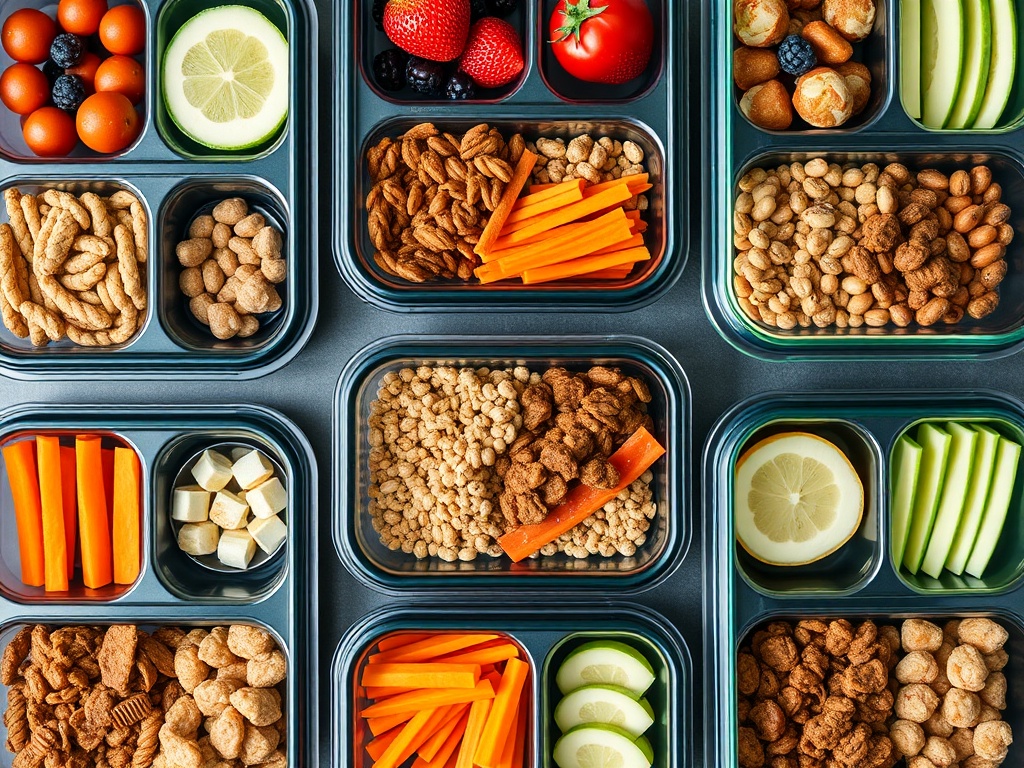
Batch cooking involves preparing components once that serve multiple meals throughout the week. Cook grains, roast vegetables, and prepare proteins in advance, then mix and match for varied meals. This strategy saves tremendous time, reduces daily stress around cooking, and ensures you always have healthy options available. Batch cooking prevents reaching for convenient unhealthy foods when tired. Proper storage containers and organization make this system effortless. Spending two hours Sunday cooking can provide healthy meals for six weekdays.
What is the importance of food quality and sourcing?
The quality of ingredients directly impacts nutrition and taste. Choose organic produce when possible, especially for items on the dirty dozen list. Select grass-fed meats and wild-caught fish for superior nutrition. Shop local farmers markets for seasonal, fresh produce. Build relationships with vendors who prioritize quality. Read labels and understand where food originates. Higher quality ingredients often taste better and contain more nutrients. While premium ingredients cost more initially, the health benefits and superior flavors justify the investment.
How do you overcome common cooking challenges?
Common obstacles include time constraints, lack of confidence, and difficulty with certain ingredients. Overcome time pressure through meal planning and batch cooking. Build confidence by starting with simple recipes and progressing gradually. Learn ingredient substitutions for items you dislike or can't find. Watch tutorial videos for techniques you find intimidating. Connect with cooking communities online for support and inspiration. Remember that every experienced cook started as a beginner. Consistency and practice transform any challenge into competence and enjoyment.
What are easy ways to reduce cooking waste?
Minimize waste by using vegetable scraps for stock, storing food properly, and planning meals around what you have. Understand proper storage techniques for different foods. Embrace imperfect produce that's nutritionally identical to pretty varieties. Compost inedible scraps. Use leftover protein in grain bowls and salads. Freeze surplus vegetables when fresh supply dwindles. Plan meals to use similar ingredients across multiple recipes. Reducing waste saves money, benefits the environment, and encourages creative cooking using available resources.

Get your free healthy cooking starter guide
Join thousands learning sustainable nutrition techniques